Chemical hazards on construction sites pose significant risks to workers' health and safety. As a leading provider of construction site safety monitoring solutions, we understand the importance of protecting workers from these potential dangers. In this blog post, we will discuss effective strategies and technologies to safeguard workers from chemical hazards on construction sites.
Understanding Chemical Hazards on Construction Sites
Construction sites often involve the use of various chemicals, including paints, solvents, adhesives, and cleaning agents. These chemicals can release harmful fumes, dust, or vapors that can be inhaled, absorbed through the skin, or ingested. Exposure to these chemicals can lead to a range of health problems, including respiratory issues, skin irritation, eye damage, and even cancer.
It is crucial for construction site managers and workers to be aware of the potential chemical hazards present on the site and take appropriate measures to minimize the risk of exposure. This includes identifying the chemicals being used, understanding their properties and hazards, and implementing proper safety procedures.
Risk Assessment and Management
The first step in protecting workers from chemical hazards is to conduct a thorough risk assessment. This involves identifying the chemicals being used on the site, assessing the potential risks associated with their use, and determining the appropriate control measures to mitigate these risks.
During the risk assessment, it is important to consider factors such as the type and quantity of chemicals being used, the duration and frequency of exposure, the ventilation conditions on the site, and the personal protective equipment (PPE) available to workers. Based on the results of the risk assessment, a comprehensive risk management plan should be developed and implemented.
The risk management plan should include measures such as:
- Substitution: Whenever possible, substitute hazardous chemicals with less toxic alternatives. This can significantly reduce the risk of exposure to harmful substances.
- Engineering Controls: Implement engineering controls such as ventilation systems, local exhaust hoods, and containment measures to minimize the release of chemicals into the air and prevent their spread throughout the construction site.
- Administrative Controls: Establish administrative controls such as work procedures, training programs, and safety policies to ensure that workers are aware of the potential hazards and know how to work safely with chemicals.
- Personal Protective Equipment (PPE): Provide workers with appropriate PPE, such as respirators, gloves, goggles, and protective clothing, to protect them from chemical exposure. Ensure that the PPE is properly fitted, maintained, and used correctly.
Monitoring and Detection
In addition to risk assessment and management, continuous monitoring and detection of chemical hazards are essential to ensure the safety of workers on construction sites. This involves the use of various monitoring technologies and equipment to measure the concentration of chemicals in the air, water, and soil, and to detect the presence of any leaks or spills.
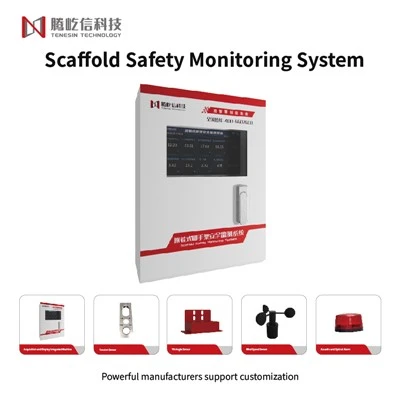
One of the key monitoring technologies used on construction sites is the Construction Area Hazard Monitoring System. This system uses advanced sensors and detectors to continuously monitor the air quality in specific areas of the construction site, such as confined spaces, paint booths, and chemical storage areas. The system can detect the presence of a wide range of chemicals, including volatile organic compounds (VOCs), carbon monoxide (CO), and hydrogen sulfide (H2S), and provide real-time alerts to workers and site managers if the concentration of these chemicals exceeds the safe limits.
Another important monitoring technology is the Construction Edge Protection Monitoring System. This system uses sensors and cameras to monitor the edges of buildings, bridges, and other structures to detect any potential falls or collapses. The system can also detect the presence of any chemicals or other hazards in the vicinity of the edges, and provide real-time alerts to workers and site managers if any dangerous conditions are detected.
Training and Education
Proper training and education are essential to ensure that workers on construction sites are aware of the potential chemical hazards and know how to work safely with chemicals. This includes providing workers with training on the properties and hazards of the chemicals being used on the site, the proper use of PPE, the emergency response procedures in case of a chemical spill or leak, and the importance of following safety policies and procedures.
In addition to initial training, workers should also receive regular refresher training to keep them up-to-date on the latest safety information and best practices. This can help to reinforce the importance of safety and ensure that workers are always aware of the potential risks and how to protect themselves.
Emergency Response Planning
Despite the best efforts to prevent chemical hazards on construction sites, accidents can still happen. That's why it is important to have a comprehensive emergency response plan in place to deal with any chemical spills, leaks, or other emergencies that may occur.
The emergency response plan should include procedures for:


- Evacuation: Establish clear evacuation routes and procedures to ensure that workers can quickly and safely evacuate the site in case of an emergency.
- Containment and Cleanup: Provide workers with the necessary equipment and training to contain and clean up any chemical spills or leaks as quickly as possible to prevent the spread of the chemicals and minimize the risk of exposure.
- Medical Treatment: Ensure that there is a first aid kit and trained first aid personnel on site, and that workers know how to access medical treatment in case of a chemical exposure or other injury.
- Communication: Establish a communication system to ensure that workers, site managers, and emergency responders can communicate effectively in case of an emergency.
Conclusion
Protecting workers from chemical hazards on construction sites is a critical responsibility for construction site managers and safety professionals. By implementing effective risk assessment and management strategies, continuous monitoring and detection technologies, proper training and education programs, and comprehensive emergency response plans, we can significantly reduce the risk of chemical exposure and ensure the safety and health of workers on construction sites.
As a leading provider of construction site safety monitoring solutions, we are committed to helping our customers protect their workers from chemical hazards and other potential dangers. If you are interested in learning more about our Construction Area Hazard Monitoring System or Construction Edge Protection Monitoring System, or if you have any other questions or concerns about construction site safety, please contact us to schedule a consultation.
References
- Occupational Safety and Health Administration (OSHA). (n.d.). Chemical Hazards and Toxic Substances. Retrieved from https://www.osha.gov/chemical-hazards
- National Institute for Occupational Safety and Health (NIOSH). (n.d.). Chemical Hazards in Construction. Retrieved from https://www.cdc.gov/niosh/topics/construction/chemicalhazards.html
- American Society of Safety Professionals (ASSP). (n.d.). Chemical Safety in the Workplace. Retrieved from https://www.assp.org/topics/chemical-safety