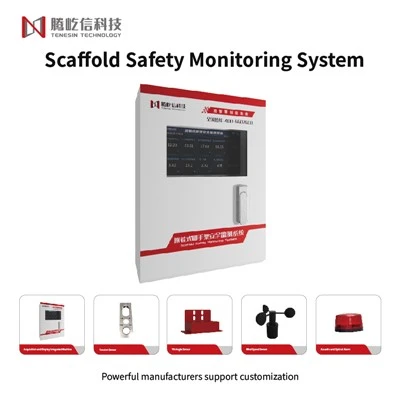
Waste handling operations are complex and often involve significant risks, especially when cranes are used to move and manage large volumes of waste materials. As a supplier of crane safety monitoring systems, I am often asked whether our systems can be effectively used in waste handling cranes. In this blog post, I will explore the applicability, benefits, and challenges of using a crane safety monitoring system in waste handling cranes.
Applicability of Crane Safety Monitoring Systems in Waste Handling Cranes
Waste handling cranes, such as overhead cranes in waste sorting facilities or gantry cranes at landfill sites, face unique operational conditions. These cranes are exposed to harsh environments, including dust, debris, and potentially corrosive substances. Despite these challenges, crane safety monitoring systems can be highly applicable in waste handling scenarios.
Types of Safety Monitoring Systems
There are various types of crane safety monitoring systems that can be adapted for waste handling cranes. For example, the Gantry Crane Safety Monitoring System can be used to monitor the movement, load capacity, and position of gantry cranes commonly used in waste yards. This system provides real - time data on the crane's operation, ensuring that it operates within safe limits.
Similarly, the Truck Crane Safety Monitoring System can be beneficial for mobile waste handling truck cranes. It helps in preventing overloading, ensuring proper boom angle, and monitoring the stability of the crane during waste loading and unloading operations.
The Crawler Crane Safety Monitoring System is also suitable for crawler cranes used in large - scale waste handling projects. It can monitor factors such as ground pressure, track movement, and load distribution, which are crucial for safe operation in waste handling environments.
Adaptability to Harsh Environments
Modern crane safety monitoring systems are designed to be robust and adaptable. They are often equipped with protective enclosures that can withstand dust, moisture, and minor impacts. This makes them suitable for the challenging conditions found in waste handling facilities. For example, sensors can be coated with anti - corrosive materials to prevent damage from waste - related chemicals. Additionally, the systems can be programmed to filter out noise caused by dust particles or debris, ensuring accurate data collection.
Benefits of Using Crane Safety Monitoring Systems in Waste Handling
Enhanced Safety
The primary benefit of using a crane safety monitoring system in waste handling is enhanced safety. Waste handling operations often involve heavy loads and complex maneuvers. A monitoring system can detect overloading situations in real - time, preventing crane failures that could lead to accidents, injuries, or property damage. For example, if a waste handling crane is approaching its maximum load capacity, the system can send an alarm to the operator, allowing them to take corrective action.
Improved Efficiency
Safety monitoring systems can also improve the efficiency of waste handling operations. By providing real - time data on crane performance, operators can optimize their operations. For instance, they can adjust the speed and movement of the crane based on the load and environmental conditions, reducing the time required for each waste handling task. Moreover, the system can track the usage of the crane, enabling better maintenance planning and reducing downtime.
Compliance with Regulations
Waste handling facilities are subject to strict safety regulations. Using a crane safety monitoring system helps these facilities comply with these regulations. The system can generate detailed reports on crane operations, including load history, movement patterns, and safety incidents. These reports can be used for regulatory inspections and audits, demonstrating the facility's commitment to safety.
Challenges and Solutions
Environmental Challenges
As mentioned earlier, waste handling environments are harsh. Dust and debris can clog sensors, and corrosive substances can damage the system components. To address these challenges, regular maintenance and cleaning of the monitoring system are essential. Facilities can also install pre - filters on sensors to reduce the amount of dust and debris that reaches them. Additionally, choosing high - quality, corrosion - resistant materials for system components can extend their lifespan.
Operator Training
Another challenge is ensuring that operators are properly trained to use the crane safety monitoring system. The system may have complex features and interfaces, and operators need to understand how to interpret the data and respond to alarms. To overcome this, suppliers can provide comprehensive training programs. These programs can include on - site training, online tutorials, and user manuals. Regular refresher courses can also be offered to keep operators updated on the latest system features.
Integration with Existing Systems
Waste handling facilities may already have existing control and monitoring systems in place. Integrating a new crane safety monitoring system with these existing systems can be challenging. However, modern monitoring systems are designed with open - architecture interfaces, which allow for easy integration. Suppliers can work closely with the facility's IT and engineering teams to ensure seamless integration, minimizing disruptions to existing operations.


Conclusion
In conclusion, a crane safety monitoring system can be effectively used in waste handling cranes. Despite the challenges posed by harsh environments, operator training, and system integration, the benefits of enhanced safety, improved efficiency, and regulatory compliance far outweigh these challenges. As a supplier of crane safety monitoring systems, we are committed to providing high - quality, reliable solutions that meet the unique needs of waste handling facilities.
If you are interested in learning more about how our crane safety monitoring systems can be applied to your waste handling operations, or if you would like to discuss a potential purchase, please feel free to reach out. We are ready to assist you in finding the best solution for your specific requirements.
References
- "Crane Safety Standards in Industrial Environments", International Journal of Occupational Safety and Health, 2020.
- "Optimizing Crane Operations in Waste Handling Facilities", Waste Management Review, 2021.
- "Advancements in Crane Safety Monitoring Technology", Journal of Construction Equipment and Technology, 2019.