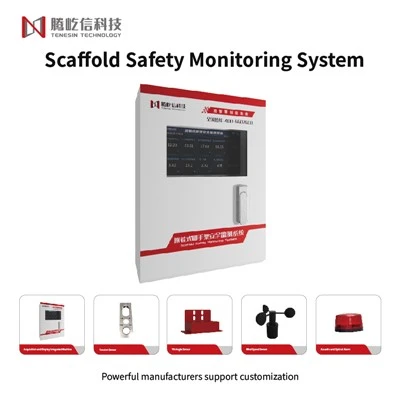
In the realm of construction, safety is not just a priority; it's an absolute necessity. Construction structure safety monitoring plays a pivotal role in ensuring that buildings, bridges, and other infrastructure projects are not only built to last but also safeguard the lives of workers and the public. As a leading provider in construction structure safety monitoring, I've witnessed firsthand the importance of implementing best practices in this field. In this blog, I'll share some of the most effective strategies for ensuring the highest level of safety in construction projects.
Understanding the Importance of Safety Monitoring
Before delving into the best practices, it's crucial to understand why construction structure safety monitoring is so important. Construction sites are inherently dangerous places, with numerous hazards that can lead to accidents, injuries, and even fatalities. By continuously monitoring the structural integrity of buildings and other structures, we can detect potential issues early on and take proactive measures to prevent disasters.
Moreover, safety monitoring is not just about preventing accidents; it's also about ensuring the long - term durability of the structure. By identifying and addressing issues such as settlement, deformation, and corrosion, we can extend the lifespan of the building and reduce the need for costly repairs and maintenance in the future.
Best Practices for Construction Structure Safety Monitoring
1. Comprehensive Planning
A well - thought - out monitoring plan is the foundation of any successful safety monitoring program. This plan should be developed at the early stages of the construction project and should take into account various factors such as the type of structure, the construction methods being used, and the environmental conditions. The plan should clearly define the monitoring objectives, the parameters to be monitored, the monitoring frequency, and the equipment and techniques to be employed.


For example, in a high - rise building project, the monitoring plan might include measures to track the verticality of the structure, the stress and strain in the columns and beams, and the settlement of the foundation. By having a comprehensive plan in place, we can ensure that all aspects of the structure's safety are being monitored effectively.
2. Use of Advanced Monitoring Technologies
The field of construction structure safety monitoring has seen significant advancements in recent years, with the development of a wide range of advanced monitoring technologies. These technologies offer greater accuracy, reliability, and real - time data collection capabilities compared to traditional monitoring methods.
One such technology is the High - rise Formwork Safety Monitoring System. This system uses sensors to monitor the stress, deformation, and stability of formwork structures in high - rise buildings. By providing real - time data on the performance of the formwork, this system can help prevent accidents such as formwork collapse, which can be extremely dangerous and costly.
Another important technology is the Deep Foundation Pit Safety Monitoring System. This system is designed to monitor the deformation, settlement, and groundwater level in deep foundation pits. By continuously monitoring these parameters, we can detect potential issues such as slope instability and groundwater seepage early on and take appropriate measures to ensure the safety of the foundation pit and the surrounding structures.
3. Regular Data Analysis and Interpretation
Collecting data is only half the battle; the real value lies in analyzing and interpreting the data to gain meaningful insights. Regular data analysis allows us to identify trends, patterns, and anomalies in the structural behavior of the building. This information can then be used to make informed decisions about the safety of the structure and to take proactive measures to address any issues.
For example, if the data shows a gradual increase in the settlement of the foundation, it could indicate a problem with the soil condition or the design of the foundation. By analyzing the data in detail, we can determine the root cause of the problem and develop appropriate solutions, such as adjusting the construction schedule or modifying the foundation design.
4. Trained and Competent Personnel
Having a team of trained and competent personnel is essential for the success of any construction structure safety monitoring program. These personnel should have a thorough understanding of the monitoring techniques, equipment, and procedures, as well as the relevant standards and regulations.
They should also be able to interpret the monitoring data accurately and make informed decisions based on the results. Regular training and professional development programs should be provided to ensure that the personnel stay up - to - date with the latest technologies and best practices in the field.
5. Integration with Construction Management
Construction structure safety monitoring should not be treated as a separate activity but should be integrated into the overall construction management process. By collaborating closely with the construction team, we can ensure that the monitoring data is used effectively to optimize the construction process and improve safety.
For example, if the monitoring data indicates that a certain construction activity is causing excessive stress on the structure, the construction team can adjust the work schedule or modify the construction methods to reduce the stress. This integration can help prevent potential safety issues and ensure that the construction project progresses smoothly.
6. Alarm Systems and Emergency Response
In addition to continuous monitoring, it's important to have an effective alarm system in place. The alarm system should be set up to alert the relevant personnel immediately when the monitored parameters exceed the predefined safety limits.
Once an alarm is triggered, a well - defined emergency response plan should be activated. This plan should outline the steps to be taken to address the potential safety issue, such as evacuating the site, notifying the relevant authorities, and initiating emergency repairs.
Conclusion
Construction structure safety monitoring is a complex and critical task that requires a combination of comprehensive planning, advanced technologies, data analysis, trained personnel, and integration with construction management. By implementing these best practices, we can significantly enhance the safety of construction projects and ensure the long - term stability of the structures.
As a leading provider of construction structure safety monitoring solutions, we are committed to helping our clients implement these best practices and ensure the highest level of safety in their construction projects. If you are interested in learning more about our products and services or would like to discuss your specific monitoring needs, we encourage you to reach out to us for a consultation and potential procurement. We look forward to working with you to make your construction projects safer and more successful.
References
- Smith, J. (20XX). Construction Safety Monitoring: Technologies and Best Practices. Journal of Construction Engineering and Management.
- Jones, A. (20XX). Advanced Monitoring Systems for High - Rise Construction. Construction Technology Review.
- Brown, C. (20XX). Integrating Safety Monitoring into Construction Management. International Journal of Construction Safety.