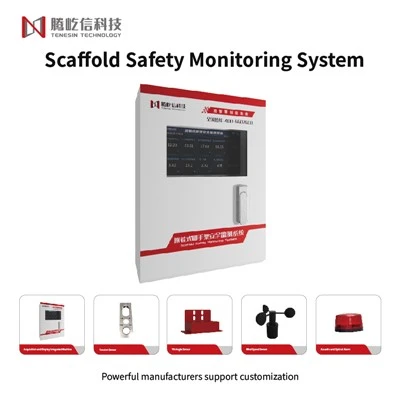
As a supplier of Online Dust Monitoring System, I often encounter questions from customers about the applicability of our systems in outdoor environments. This blog post aims to comprehensively explore whether an online dust monitoring system can be used outdoors, considering various factors such as environmental conditions, system capabilities, and regulatory requirements.
The Need for Outdoor Dust Monitoring
Outdoor dust can originate from a variety of sources, including construction sites, industrial activities, mining operations, and natural events like wildfires and dust storms. High levels of dust in the outdoor air can pose significant risks to human health, especially for individuals with respiratory conditions such as asthma and chronic obstructive pulmonary disease (COPD). Additionally, excessive dust can cause environmental damage, such as soil erosion and reduced visibility.
Regulatory bodies around the world have recognized the importance of monitoring outdoor dust levels to protect public health and the environment. Many countries have established air quality standards and regulations that limit the allowable concentration of particulate matter (PM) in the air. For example, the World Health Organization (WHO) has set guidelines for PM2.5 (particulate matter with a diameter of 2.5 micrometers or less) and PM10 (particulate matter with a diameter of 10 micrometers or less) to protect human health.
Capabilities of Online Dust Monitoring Systems
Online dust monitoring systems are designed to continuously measure and report the concentration of particulate matter in the air. These systems typically consist of a sensor unit, a data logger, and a communication module. The sensor unit uses various technologies, such as laser scattering or beta attenuation, to detect and measure the amount of dust in the air. The data logger records the sensor readings at regular intervals, and the communication module transmits the data to a central server or a user's device via wireless or wired communication.
One of the key advantages of online dust monitoring systems is their ability to provide real-time data. This allows users to monitor dust levels continuously and take immediate action if the levels exceed the acceptable limits. Additionally, online dust monitoring systems can be integrated with other environmental monitoring systems, such as Hazardous Gas Monitoring System, to provide a comprehensive view of the environmental conditions.
Factors Affecting the Use of Online Dust Monitoring Systems Outdoors
While online dust monitoring systems are suitable for outdoor use, several factors need to be considered to ensure their accurate and reliable operation. These factors include:
Environmental Conditions
Outdoor environments can be harsh and unpredictable, with varying temperatures, humidity levels, and weather conditions. Extreme temperatures, high humidity, and heavy rainfall can affect the performance of the sensor unit and the data logger. For example, high humidity can cause condensation on the sensor, which can affect the accuracy of the dust measurements. Additionally, strong winds can blow dust particles away from the sensor, leading to inaccurate readings.
To overcome these challenges, online dust monitoring systems are designed to be rugged and weatherproof. The sensor unit is typically enclosed in a protective housing that is resistant to dust, water, and UV radiation. The data logger is also designed to operate in a wide range of temperatures and humidity levels. Some systems also include a heating or cooling system to maintain the optimal operating temperature of the sensor unit.
Sensor Placement
The placement of the sensor unit is crucial for accurate dust monitoring. The sensor should be placed in a location that is representative of the overall dust concentration in the area. It should be installed at a height of at least 1.5 meters above the ground to avoid interference from ground-level dust sources. Additionally, the sensor should be placed away from sources of dust generation, such as construction equipment or vehicle exhausts, to prevent overestimation of the dust levels.
Calibration and Maintenance
Regular calibration and maintenance are essential to ensure the accuracy and reliability of the online dust monitoring system. The sensor unit should be calibrated at least once a year using a reference standard to ensure that the dust measurements are accurate. Additionally, the system should be inspected and maintained regularly to check for any signs of damage or malfunction. This includes cleaning the sensor unit, checking the wiring and connections, and replacing any worn-out components.
Power Supply
Online dust monitoring systems require a reliable power supply to operate continuously. In outdoor environments, it may not be possible to connect the system to a mains power supply. In such cases, the system can be powered by a solar panel or a battery. Solar panels are a popular choice for outdoor dust monitoring systems as they are environmentally friendly and can provide a continuous power supply during the day. However, solar panels may not be suitable in areas with limited sunlight or during periods of heavy rainfall. Batteries can be used as a backup power source or in areas where solar panels are not feasible.
Applications of Online Dust Monitoring Systems Outdoors
Online dust monitoring systems have a wide range of applications in outdoor environments, including:
Construction Sites
Construction sites are a major source of dust pollution, especially during excavation, demolition, and building construction activities. Online dust monitoring systems can be used to monitor the dust levels at construction sites and ensure compliance with environmental regulations. The system can provide real-time data on the dust concentration, which can be used to take immediate action if the levels exceed the acceptable limits. This may include implementing dust control measures, such as spraying water or using dust suppression systems.
Industrial Facilities
Industrial facilities, such as factories, mines, and power plants, also generate significant amounts of dust. Online dust monitoring systems can be used to monitor the dust levels in and around industrial facilities to protect the health of workers and the surrounding community. The system can provide early warning of any potential dust emissions, allowing the facility to take corrective action before the dust levels become a health hazard.
Air Quality Monitoring Networks
Online dust monitoring systems can be used to establish air quality monitoring networks in urban areas. These networks can provide real-time data on the dust concentration in different parts of the city, which can be used to assess the air quality and identify areas with high levels of dust pollution. The data can also be used to develop strategies for reducing dust emissions and improving air quality.
Conclusion
In conclusion, online dust monitoring systems can be effectively used outdoors to monitor the concentration of particulate matter in the air. These systems offer real-time data, which allows users to take immediate action if the dust levels exceed the acceptable limits. However, several factors need to be considered to ensure the accurate and reliable operation of the system, including environmental conditions, sensor placement, calibration and maintenance, and power supply.


As a supplier of Online Dust Monitoring System, we are committed to providing high-quality and reliable dust monitoring solutions for outdoor applications. Our systems are designed to withstand harsh environmental conditions and provide accurate and real-time data on dust levels. If you are interested in learning more about our products or have any questions about outdoor dust monitoring, please contact us to discuss your specific requirements. We look forward to working with you to ensure a clean and healthy outdoor environment.
References
- World Health Organization. (2021). Air quality guidelines: Global update 2021.
- United States Environmental Protection Agency. (2021). National Ambient Air Quality Standards (NAAQS).
- European Union. (2008). Directive 2008/50/EC on ambient air quality and cleaner air for Europe.