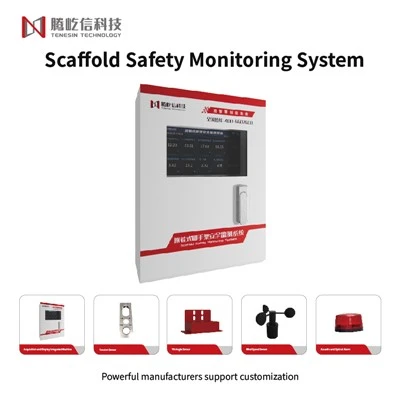
In the realm of high - rise building construction, tower cranes serve as the backbone of heavy - lifting operations. Their significance cannot be overstated, as they are responsible for moving large construction materials, equipment, and supplies to great heights. However, the use of tower cranes also comes with inherent risks, including potential for accidents, which can lead to severe consequences such as property damage, injuries, and even loss of life. This is where a tower crane monitoring system plays a crucial role.
As a provider of tower crane monitoring systems, I've witnessed firsthand the transformative impact these systems can have on high - rise building projects. Let's delve into whether a tower crane monitoring system can indeed be used in high - rise building construction and why it's such a valuable addition.
The Functionality and Capabilities of Tower Crane Monitoring Systems
Modern tower crane monitoring systems are equipped with a variety of sensors and technologies that can collect and analyze a wide range of data. These data points offer real - time insights into the crane's operational status and environmental conditions.
One of the primary functions of a tower crane monitoring system is to measure and monitor the load on the crane. Overloading is a significant risk in crane operations, and exceeding the crane's rated load capacity can lead to structural failure. Through precision load sensors, these systems can continuously track the weight of the lifted objects and send alerts to the operator if the load approaches or exceeds the safe limit.
In addition to load monitoring, tower crane monitoring systems can also keep tabs on the crane's angle and position. In high - rise construction where multiple cranes may be operating in close proximity, accurate positioning is crucial to prevent collisions. The system uses advanced inclinometers and GPS technology to provide real - time information about the crane's swing, boom angle, and height. For example, if another crane moves into a potentially dangerous zone, the monitoring system can issue an immediate warning, allowing the operator to take preventative action.
The Luffing Jib Crane Safety Monitoring Hook Visualization System is a state - of - the - art addition to tower crane safety. It provides clear visualization of the hook area, which can be otherwise difficult to see from the operator's cab, especially in high - rise construction where the distance between the cab and the hook is substantial. This enhanced visibility helps operators make more precise and safer lifting operations, reducing the risk of accidents related to misjudging the hook's position.
The Benefits of Using a Tower Crane Monitoring System in High - Rise Building Construction
Safety Enhancement
Safety is the top priority in any construction project, and high - rise construction is no exception. By constantly monitoring critical parameters such as load, angle, and position, tower crane monitoring systems minimize the risk of accidents. For instance, in the event of strong winds, which are more common at greater heights, the system can detect the wind speed and direction. If the wind conditions exceed the crane's safe operating limits, the system can automatically restrict certain operations or even shut down the crane to prevent it from toppling over.
Operational Efficiency
Tower crane monitoring systems can also significantly improve operational efficiency. With real - time data at their fingertips, crane operators can make informed decisions more quickly. For example, they can optimize the lifting process by adjusting the boom angle and lift speed based on the load and environmental conditions. Moreover, the data collected by the monitoring system can be used for historical analysis, enabling construction managers to identify trends, improve scheduling, and streamline crane operations. This leads to reduced downtime and increased overall productivity on the construction site.
Regulatory Compliance
In many countries, there are strict regulations regarding the safe operation of tower cranes in construction projects. A tower crane monitoring system helps construction companies meet these regulatory requirements. By providing accurate and detailed records of crane operations, including load history, operating hours, and safety incidents, the system serves as a valuable tool for demonstrating compliance during inspections.
The Tower Crane Safety Monitoring System is designed to comprehensively track and report all relevant crane data, making it easier for construction firms to adhere to regulatory standards and avoid costly fines.
Challenges and Considerations
While the advantages of using a tower crane monitoring system in high - rise building construction are numerous, there are also some challenges and considerations to keep in mind.
One of the main challenges is the initial cost of installing a monitoring system. This includes the cost of the hardware, software, and installation services. However, it's important to view this as an investment rather than an expense. The long - term benefits, such as improved safety and efficiency, far outweigh the upfront costs.
Another consideration is the need for proper training. Operators and construction personnel need to be trained on how to use the monitoring system effectively. Without proper training, the system may not be utilized to its full potential, and the data it provides may be misinterpreted. Our company offers comprehensive training programs to ensure that all users understand the features and functions of our tower crane monitoring systems.
The Role of the Tower Crane Operating Assistance Safety System
The Tower Crane Operating Assistance Safety System is an integral part of the overall tower crane monitoring solution for high - rise construction. This system provides intelligent assistance to crane operators, especially in challenging situations.


For example, it can offer predictive analysis based on the current operating data and historical records. If the system detects a potential problem, such as abnormal vibrations or a sudden change in load distribution, it can provide suggestions to the operator on how to address the issue before it escalates. This type of proactive assistance helps improve the safety and reliability of crane operations, making it an essential component in high - rise building projects.
Conclusion
In conclusion, a tower crane monitoring system is not only suitable but also highly beneficial for high - rise building construction. From enhancing safety and operational efficiency to ensuring regulatory compliance, these systems offer a wide range of advantages that can significantly improve the overall construction process.
As a professional provider of tower crane monitoring systems, we are committed to offering the highest quality products and services. Our systems are designed to meet the specific needs of high - rise construction projects, and we continuously strive to innovate and improve based on the latest technologies and industry requirements.
If you are involved in high - rise building construction and are looking for a reliable solution to enhance the safety and efficiency of your tower crane operations, we invite you to reach out to us for a purchase negotiation. We are ready to provide you with detailed product information, customized solutions, and professional technical support to help you achieve your construction goals.
References
- Construction Safety Regulations Handbook.
- Tower Crane Operation Best Practices Guide.
- Research papers on crane safety and monitoring technologies.