Working on a construction site involves a multitude of tasks, with the installation of heating and cooling systems being one of the most critical and potentially hazardous operations. As a construction site safety monitoring supplier, we are acutely aware of the importance of adhering to strict safety protocols to protect workers and ensure the successful completion of projects. In this blog post, we will delve into the safety protocols for installing heating and cooling systems on a construction site.
Pre - installation Safety Checks
Before any installation work begins, a series of comprehensive safety checks must be carried out. First and foremost, the installation area should be thoroughly inspected for physical hazards. This includes looking for any loose debris, uneven flooring, or protruding objects that could cause trips, slips, or falls. Workers should also check for the presence of any live electrical wires or gas lines in the vicinity. If any such hazards are identified, appropriate measures should be taken immediately to mitigate them.
Another crucial pre - installation step is to review the installation plans and specifications. Workers need to ensure that they have a clear understanding of the system layout, including the location of ducts, pipes, and electrical connections. This helps prevent any errors during the installation process that could lead to safety issues later on. Additionally, all equipment and tools required for the installation should be inspected for proper functioning. Faulty tools can not only slow down the work but also pose a significant risk to the workers' safety.
Personal Protective Equipment (PPE)
Personal protective equipment is non - negotiable when it comes to installing heating and cooling systems on a construction site. Workers should wear hard hats at all times to protect their heads from falling objects. Safety glasses are essential to shield the eyes from dust, debris, and potential chemical splashes. In addition, ear protection should be worn when using noisy equipment such as drills or saws to prevent hearing damage.
Respiratory protection is also of utmost importance. When working with insulation materials or in areas with poor ventilation, workers may be exposed to harmful dust and fumes. A properly fitted respirator can help filter out these contaminants and protect the respiratory system. Gloves are necessary to protect the hands from cuts, abrasions, and chemical exposure, especially when handling sharp metal components or refrigerants.
Electrical Safety
Heating and cooling systems rely heavily on electricity, so electrical safety is a top priority. All electrical work should be carried out by qualified electricians. Before starting any electrical connections, the power supply to the area must be shut off and locked out to prevent accidental energization. Workers should use insulated tools to minimize the risk of electric shock.
Regular inspections of electrical cords and equipment are necessary to ensure that they are in good condition. Any frayed cords, loose connections, or damaged electrical components should be replaced immediately. Ground fault circuit interrupters (GFCIs) should be used in areas where there is a risk of water contact, such as near cooling towers or in wet basements, to prevent electrical shock.
Handling Refrigerants
Refrigerants are an integral part of cooling systems, but they can also be extremely hazardous. Workers should be trained in the proper handling of refrigerants. Refrigerants should be stored in a well - ventilated area away from heat sources and open flames. When transferring refrigerants, proper valves and hoses should be used to prevent leaks.


In case of a refrigerant leak, workers should evacuate the area immediately and follow the emergency response procedures. Refrigerants can cause asphyxiation, skin and eye irritation, and in some cases, they are also harmful to the environment. Therefore, any refrigerant leaks should be repaired promptly by trained technicians using appropriate equipment.
Working at Heights
In many construction projects, the installation of heating and cooling systems may involve working at heights, such as on rooftops or elevated platforms. When working at heights, workers must use fall protection equipment. This includes safety harnesses that are properly attached to a secure anchor point.
The area around the work site at heights should be clearly marked with warning signs to prevent unauthorized access. Workers should also be trained in the proper use of ladders and scaffolding. Ladders should be inspected before each use to ensure that they are stable and in good condition. Scaffolding should be erected by qualified personnel according to the manufacturer's specifications and relevant safety standards.
Fire Safety
Heating systems, especially those that use combustion, pose a significant fire risk. Adequate fire prevention measures should be in place during the installation process. Flammable materials should be stored away from the installation area. Fire extinguishers should be readily available at the work site and workers should be trained in their proper use.
When welding or soldering during the installation of heating and cooling systems, proper fire protection procedures must be followed. A fire watcher should be assigned to monitor the area for any signs of fire during and after the welding or soldering operation. The work area should be cleared of any combustible materials, and a fire blanket or other fire - suppression equipment should be on hand.
Hazard Monitoring Systems
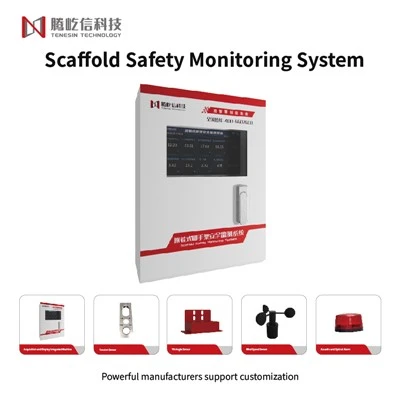
To enhance the safety of the installation process, our company offers advanced hazard monitoring systems. The Construction Edge Protection Monitoring System can detect when a worker approaches an unprotected edge, providing an early warning to prevent falls. This system uses sensors and alarms to alert workers and supervisors in real - time.
The Construction Area Hazard Monitoring System is another valuable tool. It can monitor the air quality, temperature, and the presence of hazardous substances in the installation area. This helps ensure that the working environment is safe and that workers are not exposed to any harmful conditions.
Post - installation Safety Checks
Once the heating and cooling system is installed, a final set of safety checks should be carried out. All electrical connections should be re - inspected to ensure that they are secure and properly grounded. The system should be tested to verify its proper functioning and to check for any leaks or malfunctions.
The installation area should be cleaned up, and all tools and equipment should be properly stored. Workers should also be trained on the proper operation and maintenance of the newly installed heating and cooling system to prevent any future safety issues.
Conclusion
Installing heating and cooling systems on a construction site is a complex task that requires strict adherence to safety protocols. From pre - installation checks to post - installation inspections, every step of the process must be carefully managed to ensure the safety of the workers and the long - term functionality of the system.
As a construction site safety monitoring supplier, we are committed to providing the best solutions to enhance safety on construction sites. Our hazard monitoring systems can play a crucial role in preventing accidents and protecting workers. If you are involved in a construction project and are looking for reliable safety monitoring solutions, we encourage you to contact us to discuss your specific needs. We are ready to work with you to create a safer construction environment.
References
- Occupational Safety and Health Administration (OSHA) standards for construction sites
- Manufacturer's guidelines for heating and cooling system installation
- Industry best practices for construction site safety