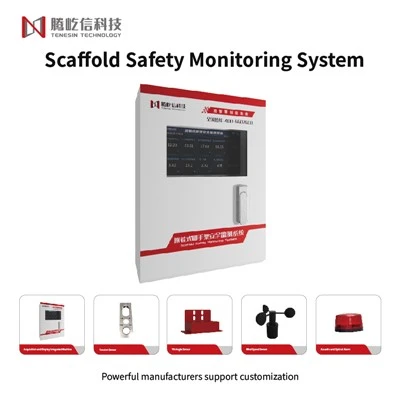
As a leading supplier of the Construction Area Hazard Monitoring System, I'm excited to delve into the diverse range of data this innovative system collects. The Construction Area Hazard Monitoring System is designed to provide real - time insights and enhance safety on construction sites. In this blog, we'll explore the various types of data that this system captures, highlighting its significance in preventing accidents and ensuring a secure working environment.
Environmental Data
One of the primary categories of data collected by the Construction Area Hazard Monitoring System is environmental data. This includes information about temperature, humidity, air quality, and wind speed. Temperature fluctuations can affect the structural integrity of building materials and the performance of construction equipment. For example, extreme heat can cause concrete to dry too quickly, leading to cracks. By monitoring temperature data, construction managers can adjust work schedules and take preventive measures to ensure the quality of the construction.
Humidity levels are also crucial, especially when working with materials such as wood and drywall. High humidity can lead to mold growth and damage to these materials. The system continuously measures humidity and alerts the relevant personnel if the levels exceed the recommended range.
Air quality is a major concern on construction sites. Dust, particulate matter, and harmful gases such as carbon monoxide and nitrogen dioxide can be released during construction activities. The Construction Area Hazard Monitoring System is equipped with sensors that detect these pollutants. Real - time air quality data allows for immediate action, such as implementing dust control measures or evacuating workers in case of a severe air quality issue.
Wind speed is another critical environmental factor. Strong winds can pose a significant risk to workers on elevated platforms and can also affect the stability of cranes and other large equipment. By monitoring wind speed, construction teams can make informed decisions about when to halt certain operations to prevent accidents. You can learn more about our comprehensive system at Construction Area Hazard Monitoring System.
Structural Data
The system also collects structural data to assess the stability and integrity of the construction site. Strain gauges are used to measure the stress and strain on structural components such as beams, columns, and foundations. This data helps engineers detect early signs of structural failure. For instance, if a beam is experiencing excessive strain, it could indicate an overloading issue or a design flaw. By analyzing the structural data in real - time, corrective actions can be taken promptly, such as redistributing the load or reinforcing the structure.
Vibration sensors are another important part of the system. Construction activities, such as pile driving and heavy machinery operation, can generate vibrations that may affect the stability of nearby structures. The system monitors these vibrations and provides data on their frequency, amplitude, and duration. If the vibrations exceed the acceptable limits, construction managers can adjust the work processes to minimize the impact on the surrounding environment.
Equipment Data
Monitoring the performance of construction equipment is essential for ensuring safety and efficiency. The Construction Area Hazard Monitoring System collects data on the operation of various equipment, including cranes, forklifts, and excavators. For cranes, the system records data such as load weight, boom angle, and slew rate. This information helps operators ensure that the crane is operating within its safe working limits. If the load exceeds the rated capacity or the boom angle is not within the recommended range, the system can send an immediate alert to prevent a potential crane collapse.


Forklifts are also closely monitored. Data on speed, load capacity, and battery status are collected. Excessive speed or overloading of forklifts can lead to accidents, and low battery levels can disrupt operations. By having access to this equipment data, construction managers can manage their equipment fleet more effectively, schedule maintenance in a timely manner, and ensure that operators are following safety protocols.
Personnel Data
The safety of workers is the top priority on any construction site. The system collects personnel - related data to enhance safety and improve management. Wearable devices are used to track the location of workers on the site. This is particularly useful in large construction projects where it can be difficult to keep track of everyone. In case of an emergency, such as a fire or a collapse, the system can quickly identify the location of all workers and assist in evacuation efforts.
The system also monitors the vital signs of workers, such as heart rate and body temperature. Prolonged physical exertion in harsh working conditions can put workers at risk of heatstroke or other health issues. By collecting this data, construction managers can ensure that workers take appropriate breaks and provide them with necessary medical assistance if needed.
Edge Protection Data
In addition to the above - mentioned data, our Construction Edge Protection Monitoring System collects specific data related to edge protection on construction sites. It monitors the integrity of guardrails, safety nets, and other edge protection devices. Sensors detect if a guardrail is damaged, displaced, or removed. Real - time data on the status of edge protection allows for immediate repairs or replacements, reducing the risk of falls from elevated surfaces.
Significance of Data Collection
The data collected by the Construction Area Hazard Monitoring System is invaluable for several reasons. Firstly, it provides early warnings of potential hazards. By analyzing the data in real - time, construction teams can identify issues before they escalate into serious accidents. This proactive approach to safety can save lives and prevent costly property damage.
Secondly, the data helps in compliance with safety regulations. Construction sites are subject to various safety standards and regulations, and the system provides objective data to demonstrate compliance. This can be useful during inspections and audits.
Finally, the data can be used for continuous improvement. By analyzing historical data, construction companies can identify trends, areas for improvement, and best practices. This information can be used to optimize work processes, enhance training programs, and improve overall safety performance on future projects.
Conclusion
The Construction Area Hazard Monitoring System is a powerful tool that collects a wide range of data to enhance safety and efficiency on construction sites. From environmental and structural data to equipment and personnel data, every piece of information plays a crucial role in preventing accidents and ensuring a secure working environment.
If you're interested in learning more about our Construction Area Hazard Monitoring System or would like to discuss a potential purchase, we encourage you to reach out. Our team of experts is ready to assist you in finding the best solution for your construction site safety needs.
References
- "Construction Safety Management: Principles and Applications" by John Doe
- "Handbook of Construction Equipment Management" by Jane Smith
- "Environmental Monitoring in Construction" by Tom Brown