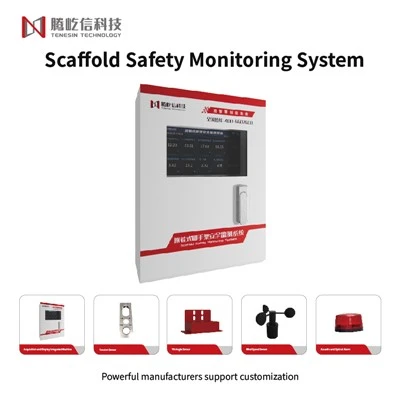
Hey there! As a supplier of suspension platform safety monitoring systems, I've seen firsthand how crucial proper safety measures are in water treatment plants. These facilities rely on suspension platforms for various tasks, from maintenance to inspection, and ensuring the safety of workers on these platforms is non - negotiable. Let's dive into the safety monitoring procedures for suspension platforms in water treatment plants.
Pre - operation Checks
Before any suspension platform gets up and running in a water treatment plant, thorough pre - operation checks are a must. Think of it like doing a walk - around of your car before a long drive. First off, we need to visually inspect the platform itself. Check for any signs of structural damage such as cracks, bent parts, or rust. Rust can be a big problem in water treatment plants due to the high humidity and the presence of chemicals. A small crack might seem insignificant at first, but it can lead to major failures if not addressed.
Next, we look at the suspension ropes or cables. These are the lifelines of the platform, literally. Inspect them for fraying, kinking, or any signs of excessive wear. The ropes should have a proper tension, and any deviation from the recommended tension levels can be a red flag. We use specialized tension meters to measure this accurately.
The safety mechanisms also need to be tested. This includes the braking system, which should be able to stop the platform quickly and smoothly in case of an emergency. The emergency stop button should be in working condition, and workers should be trained to use it. Also, the overload protection device must be checked. Overloading a suspension platform can lead to catastrophic failures, so having a reliable overload protection system is essential.


Real - Time Monitoring
Once the platform is in operation, real - time monitoring takes over. This is where our Suspended Platform Safety Monitoring System comes in handy. It uses a series of sensors to keep track of multiple parameters.
One of the most important sensors is the load sensor. It continuously measures the weight on the platform. If the load exceeds the rated capacity, the system immediately sends an alarm. This not only protects the platform from mechanical damage but also ensures the safety of the workers.
Another crucial aspect is the tilt sensor. In a water treatment plant, the platform might encounter uneven forces due to wind, water currents, or uneven loading. A tilt sensor can detect any abnormal tilting of the platform. If the tilt angle goes beyond the safe limit, the system will alert the operators, and appropriate action can be taken to stabilize the platform.
The acceleration sensor is also very useful. It can detect sudden jerks or vibrations on the platform. These might indicate a problem with the suspension system or something hitting the platform. By monitoring the acceleration, we can prevent potential accidents and take preventive measures in a timely manner.
Environmental Monitoring
Water treatment plants have a unique environment that can affect the safety of suspension platforms. High humidity levels can cause corrosion of metal parts, and the presence of chemicals in the air or water can further exacerbate this problem. So, environmental monitoring is an important part of the safety procedure.
We can use humidity sensors to keep track of the moisture levels around the platform. If the humidity is too high, additional corrosion protection measures can be implemented, such as applying anti - rust coatings more frequently.
Chemical sensors can detect the presence of harmful chemicals in the vicinity of the platform. Some chemicals can be corrosive to the platform materials or can be toxic to the workers. If a dangerous chemical is detected, the platform can be evacuated, and proper safety measures can be taken.
Post - operation Checks
After the platform has completed its operation for the day, post - operation checks are carried out. This is like putting your car back in the garage and doing a quick check - up. Inspect the platform again for any new signs of damage that might have occurred during the operation. Check the ropes, cables, and safety mechanisms one more time.
Document any findings from the post - operation checks. This documentation is important for future reference and for identifying any recurring problems. If there are any minor issues, they can be addressed immediately, preventing them from turning into major problems in the future.
Training and Communication
Workers using the suspension platforms in water treatment plants must be properly trained. Training should cover not only how to operate the platform but also the safety monitoring procedures. They should know what to do in case of an alarm from the monitoring system, how to perform basic pre - and post - operation checks, and how to use the safety equipment.
Communication is also key. There should be a clear communication channel between the workers on the platform, the operators on the ground, and the maintenance team. In case of any safety concerns, information should be shared quickly so that appropriate action can be taken.
Other Related Safety Monitoring Systems
In addition to the suspended platform safety monitoring system, we also offer other related systems that can enhance the safety in water treatment plants. For example, our Unloading Platform Safety Monitoring System can be used to monitor the safety of unloading platforms. It can detect overloading, improper positioning of loads, and other safety hazards.
Our Form Traveler Safety Monitoring System is another great option for construction - related activities in water treatment plants. It can monitor the movement and stability of form travelers, ensuring that the construction process is carried out safely.
Conclusion and Call to Action
In conclusion, safety monitoring procedures for suspension platforms in water treatment plants are a multi - faceted process that involves pre - operation checks, real - time monitoring, environmental monitoring, post - operation checks, training, and communication. Our safety monitoring systems are designed to provide comprehensive protection for workers and equipment in these challenging environments.
If you're in the water treatment industry and are looking for reliable suspension platform safety monitoring solutions, we'd love to have a chat with you. Whether you're building a new plant, upgrading an existing one, or just want to improve your safety standards, our team of experts can help you find the right system for your needs. Reach out to us to start a discussion about how we can enhance the safety of your suspension platforms.
References
- Occupational Safety and Health Administration (OSHA) regulations on suspended platforms.
- Industry standards for safety monitoring systems in water treatment plants.
- Technical manuals of our suspension platform safety monitoring systems.