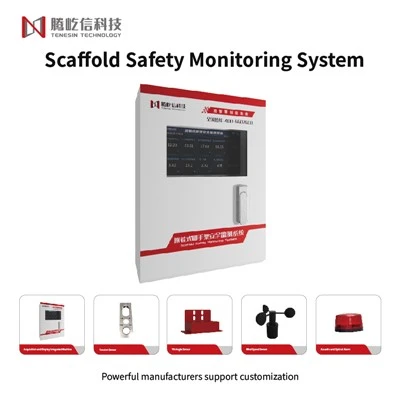
As a trusted provider of tower crane monitoring systems, I understand the importance of ensuring the safe and efficient operation of tower cranes. In this blog post, I will guide you through the installation steps of a tower crane monitoring system, providing you with a comprehensive overview of the process.
Step 1: Pre - installation Preparation
Before starting the installation, a thorough site assessment is crucial. First, examine the tower crane's model, specifications, and working environment. Different tower crane models may have distinct structural features that can affect the placement of monitoring sensors. For example, some tower cranes may have limited space on the jib, which requires careful planning for sensor installation.
Next, check the power supply on the tower crane. The monitoring system needs a stable power source to function properly. Ensure that the voltage and current of the power supply meet the system's requirements. In some cases, you may need to install additional power converters or stabilizers.
It's also essential to review the local safety regulations and standards related to tower crane monitoring. Compliance with these regulations is non - negotiable, as it ensures the legal operation of the monitoring system and the overall safety of the construction site.
Step 2: Sensor Installation
The sensor installation is a key part of the process. There are several types of sensors in a tower crane monitoring system, each with its specific function and installation location.
Load Sensor Installation
The load sensor is used to measure the weight of the load being lifted by the crane. It is typically installed on the hook or the lifting mechanism. When installing the load sensor, make sure it is firmly attached and properly calibrated. Any loose connection or incorrect calibration can lead to inaccurate load readings, which may pose a significant safety risk.
Angle Sensor Installation
Angle sensors are used to monitor the angle of the jib and the mast of the tower crane. They are usually installed at the pivot points of the jib and the mast. Precise installation is necessary to ensure accurate angle measurement. A misaligned angle sensor can provide false data, which may result in improper crane operation.
Wind Speed Sensor Installation
The wind speed sensor is installed at a high - position on the tower crane, such as the top of the mast. This location allows it to accurately measure the wind speed and direction. The sensor should be installed in an unobstructed area to avoid interference from the crane's structure. It is also important to ensure that the sensor is weather - resistant, as it will be exposed to various environmental conditions.
Step 3: Camera Installation
Cameras are an important part of the tower crane monitoring system, providing visual information to the crane operator.
Hook Camera Installation
The hook camera is installed near the hook to provide a clear view of the load and the surrounding area. It should be installed in a way that it can cover the entire working range of the hook. The camera should be protected from mechanical damage and harsh weather conditions. A protective housing can be used to safeguard the camera.
Surrounding Camera Installation
Surrounding cameras are installed at different positions on the tower crane, such as the jib and the mast, to provide a comprehensive view of the crane's working environment. These cameras help the operator to detect any potential obstacles or hazards in the vicinity of the crane. When installing the surrounding cameras, consider the field of view and the overlap between different cameras to ensure complete coverage.
Step 4: Control Box Installation
The control box is the central unit of the tower crane monitoring system. It is responsible for collecting, processing, and transmitting the data from the sensors and cameras.
The control box should be installed in a dry, well - ventilated, and easily accessible location on the tower crane. It should be protected from dust, moisture, and mechanical damage. The electrical connections between the control box and the sensors and cameras should be carefully made, following the wiring diagram provided by the system manufacturer.


Step 5: System Configuration and Calibration
After the physical installation of all components, the next step is system configuration and calibration.
Software Configuration
Use the dedicated software provided by the tower crane monitoring system to configure the system settings. This includes setting up the crane's parameters, such as the maximum load capacity, the maximum working radius, and the allowable angle range. You can also configure the alarm settings, such as setting the threshold values for load, angle, and wind speed. When an abnormal condition is detected, the system will issue an alarm to alert the operator.
Sensor Calibration
Calibrate each sensor to ensure accurate data collection. For example, the load sensor needs to be calibrated using known weights to ensure that it provides accurate load readings. The angle sensor should be calibrated to match the actual angle of the jib and the mast. Proper calibration is essential for the reliable operation of the monitoring system.
Step 6: Data Transmission and Communication Setup
The tower crane monitoring system needs to transmit the collected data to a central monitoring station or a mobile device for real - time monitoring.
Wired or Wireless Transmission
You can choose between wired and wireless data transmission methods. Wired transmission is more stable and reliable, but it may be limited by the length of the cables and the complexity of the installation. Wireless transmission, on the other hand, offers greater flexibility, but it requires a stable wireless network. When choosing the transmission method, consider the specific requirements of the construction site, such as the distance between the crane and the monitoring station and the availability of a wireless network.
Communication Protocol Setup
Configure the communication protocol to ensure seamless data transfer. The system should support standard communication protocols, such as Modbus or TCP/IP. This allows the monitoring system to communicate with other devices and systems on the construction site, such as the construction management system.
Step 7: Testing and Commissioning
Once the installation, configuration, and communication setup are complete, it is time to test the tower crane monitoring system.
Function Testing
Conduct a series of function tests to ensure that all components of the system are working properly. Test the sensors by simulating different working conditions, such as lifting different loads, changing the angle of the jib, and creating different wind speeds. Check the cameras to ensure that they provide clear and stable images. Test the alarm system to ensure that it can issue timely and accurate alarms.
Performance Testing
Perform performance tests to evaluate the overall performance of the monitoring system. This includes testing the data transmission speed, the accuracy of the data collection, and the response time of the system. Make any necessary adjustments based on the test results.
After successful testing, the tower crane monitoring system can be commissioned for normal operation.
Step 8: Training and Support
Provide training to the crane operators and relevant personnel on how to use the tower crane monitoring system. The training should cover the basic functions of the system, how to read the data, and how to respond to alarms.
In addition, offer ongoing technical support to the customers. This includes regular system maintenance, software updates, and troubleshooting. Our company is committed to providing high - quality products and services to ensure the long - term reliable operation of the tower crane monitoring system.
If you are interested in our Tower Crane Safety Monitoring System, Tower Crane Operating Assistance Safety System or Luffing Jib Crane Safety Monitoring Hook Visualization System, please feel free to contact us for more information and to discuss your specific needs. We are ready to provide you with the best solutions for your tower crane monitoring requirements.
References
- Construction Equipment Safety Manual
- Tower Crane Manufacturer's Installation Guides
- Local Safety Regulations and Standards