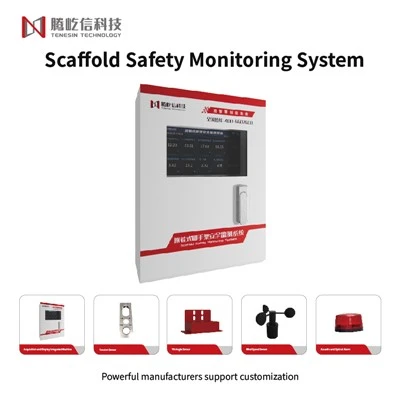
Hey there! I'm working for a suspension platform safety monitoring supplier, and I've seen firsthand how crucial these systems are for ensuring safety on construction sites. But let's face it, like any tech, they can sometimes act up. In this blog, I'll share some tips on how to troubleshoot suspension platform safety monitoring systems.
Understanding the Basics
Before we dive into troubleshooting, it's important to have a basic understanding of what these systems do. Suspension platform safety monitoring systems are designed to keep an eye on various parameters of suspension platforms, such as load, tilt, and movement. They use sensors to collect data and then analyze it to detect any potential safety issues.


There are different types of suspension platform safety monitoring systems, including the Form Traveler Safety Monitoring System, the Unloading Platform Safety Monitoring System, and the Suspended Platform Safety Monitoring System. Each type has its own set of features and functions, but they all share the common goal of ensuring the safety of workers and equipment.
Common Issues and How to Fix Them
Sensor Malfunctions
Sensors are the heart of any safety monitoring system. They're responsible for collecting data and sending it to the monitoring unit. If a sensor malfunctions, it can lead to inaccurate readings or even system failures.
- Check the Connections: One of the most common causes of sensor malfunctions is loose or damaged connections. Make sure all the sensor cables are properly plugged in and there are no signs of damage. If you find a loose connection, simply plug it back in securely. If the cable is damaged, you'll need to replace it.
- Calibrate the Sensors: Over time, sensors can drift out of calibration, which can affect their accuracy. Most modern safety monitoring systems have a calibration function. Refer to the system's manual to learn how to calibrate the sensors correctly. If you're not sure how to do it, contact the manufacturer for assistance.
- Replace Faulty Sensors: If you've checked the connections and calibrated the sensors, but they're still not working properly, it's likely that the sensor is faulty. In this case, you'll need to replace the sensor with a new one. Make sure to use a sensor that's compatible with your system.
Communication Problems
Another common issue with suspension platform safety monitoring systems is communication problems between the sensors and the monitoring unit. This can prevent the system from receiving accurate data and can lead to false alarms or system failures.
- Check the Wireless Signal: If your system uses wireless communication, make sure there are no obstacles blocking the signal between the sensors and the monitoring unit. You can also try moving the monitoring unit closer to the sensors to improve the signal strength.
- Reset the Communication Module: Sometimes, simply resetting the communication module can fix communication problems. Refer to the system's manual to learn how to reset the communication module. If the problem persists, contact the manufacturer for further troubleshooting.
- Update the Firmware: Outdated firmware can also cause communication problems. Check the manufacturer's website regularly for firmware updates and install them as soon as they become available.
Power Issues
A suspension platform safety monitoring system won't work properly if it doesn't have a reliable power source. Power issues can cause the system to shut down unexpectedly or malfunction.
- Check the Power Supply: Make sure the system is properly connected to a power source and that the power supply is working correctly. You can use a multimeter to check the voltage at the power input of the system. If the voltage is too low or too high, it could indicate a problem with the power supply.
- Replace the Batteries: If your system uses batteries, make sure they're fully charged and in good condition. Replace the batteries if they're old or damaged.
- Check for Power Surges: Power surges can damage the system's components. Consider installing a surge protector to protect the system from power surges.
False Alarms
False alarms can be a major annoyance and can also lead to complacency among workers. If your system is generating false alarms, it's important to find the cause and fix it.
- Check the Sensor Settings: False alarms can sometimes be caused by incorrect sensor settings. Make sure the sensors are set to the correct sensitivity level. Refer to the system's manual to learn how to adjust the sensor settings.
- Inspect the Environment: Environmental factors, such as strong winds, vibrations, or temperature changes, can also cause false alarms. Make sure the sensors are installed in a location where they're not affected by these factors. If necessary, you can install additional shielding or insulation to protect the sensors.
- Calibrate the Alarm Thresholds: If the alarm thresholds are set too low, the system may generate false alarms. Refer to the system's manual to learn how to calibrate the alarm thresholds. Make sure the thresholds are set at a level that accurately reflects the safety requirements of your suspension platform.
Regular Maintenance and Inspections
Preventive maintenance is key to keeping your suspension platform safety monitoring system in good working condition. Here are some tips for regular maintenance and inspections:
- Follow the Manufacturer's Recommendations: The manufacturer of your system will provide a maintenance schedule and instructions on how to perform regular inspections. Make sure to follow these recommendations carefully.
- Clean the System Regularly: Dust, dirt, and debris can accumulate on the sensors and other components of the system, which can affect their performance. Clean the system regularly using a soft, dry cloth. Avoid using abrasive cleaners or solvents, as they can damage the system.
- Test the System Periodically: It's important to test the system periodically to make sure it's working properly. You can perform a manual test of the system by simulating different safety conditions and checking if the system generates the appropriate alarms.
- Keep a Maintenance Log: Keeping a maintenance log can help you track the maintenance history of the system and identify any recurring problems. Make sure to record the date, time, and details of each maintenance activity.
When to Call for Professional Help
While many issues with suspension platform safety monitoring systems can be fixed by following the troubleshooting tips outlined in this blog, there are some situations where it's best to call for professional help.
- Complex Repairs: If you're not familiar with the technical aspects of the system or if the problem is complex, it's best to leave the repairs to a professional. A professional technician will have the knowledge and tools necessary to diagnose and fix the problem quickly and safely.
- Warranty Issues: If your system is still under warranty, it's important to contact the manufacturer before attempting any repairs. Attempting to repair the system yourself may void the warranty.
- Safety Concerns: If you suspect that there's a serious safety issue with the system, such as a critical sensor failure or a major communication problem, stop using the system immediately and contact the manufacturer or a professional technician for assistance.
Conclusion
Troubleshooting suspension platform safety monitoring systems can be a challenging task, but by following the tips outlined in this blog, you can identify and fix many common issues. Remember to perform regular maintenance and inspections to keep the system in good working condition and to call for professional help when necessary.
If you're in the market for a suspension platform safety monitoring system or need assistance with troubleshooting your existing system, feel free to reach out to us. We're a leading supplier of suspension platform safety monitoring systems and have a team of experienced technicians who can provide you with the support you need.
References
- Manufacturer's manuals for suspension platform safety monitoring systems
- Industry standards and guidelines for safety monitoring systems in construction