Managing safety in a construction site with poor ventilation is a complex yet crucial task. As a construction site safety monitoring supplier, I've witnessed firsthand the unique challenges that such environments present. In this blog, I'll share some effective strategies and solutions to ensure the well - being of workers and the overall safety of the construction project.
Understanding the Risks in Poorly Ventilated Construction Sites
Poor ventilation in a construction site can lead to a multitude of safety hazards. One of the most immediate concerns is the build - up of harmful gases and dust. Construction activities often generate substances like carbon monoxide, nitrogen oxides, and silica dust. Carbon monoxide, a colorless and odorless gas, can cause headaches, dizziness, and even death in high concentrations. Nitrogen oxides can irritate the respiratory system and cause long - term lung damage. Silica dust, when inhaled, can lead to silicosis, a serious and irreversible lung disease.
Another risk is the potential for oxygen deficiency. In enclosed or poorly ventilated areas, the oxygen level can drop as workers breathe and construction processes consume oxygen. This can lead to asphyxiation, especially in confined spaces such as basements, tunnels, or storage tanks.
Heat stress is also a significant issue. Without proper ventilation, heat generated by machinery, equipment, and the sun can build up, increasing the risk of heat - related illnesses like heat exhaustion and heatstroke. Workers may experience fatigue, dizziness, and nausea, which can not only affect their health but also their ability to work safely.
Implementing Effective Monitoring Systems
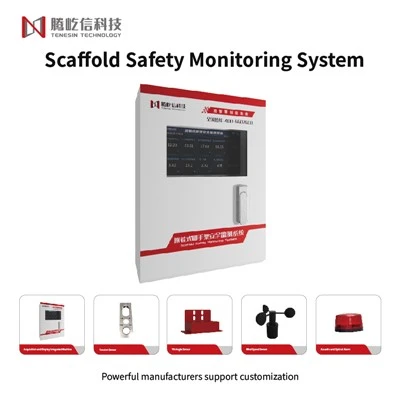
To address these risks, it's essential to implement comprehensive monitoring systems. Our Construction Area Hazard Monitoring System is designed to detect and alert workers and supervisors about the presence of harmful gases, dust, and oxygen levels in real - time. This system uses advanced sensors that can accurately measure the concentration of various substances in the air.
For example, gas sensors can detect carbon monoxide, nitrogen oxides, and other toxic gases. When the concentration of a particular gas exceeds the safe limit, the system will trigger an alarm, allowing workers to evacuate the area immediately. Dust sensors can measure the amount of particulate matter in the air, helping to ensure that workers are not exposed to excessive levels of silica dust or other harmful particles.
Oxygen sensors are also crucial in poorly ventilated areas. They continuously monitor the oxygen level and can alert workers if it drops below a safe threshold. This is particularly important in confined spaces where the risk of oxygen deficiency is high.
In addition to gas and dust monitoring, our Construction Edge Protection Monitoring System can enhance safety in areas with poor ventilation. This system uses sensors to detect if a worker approaches an unprotected edge, such as the edge of a building or a platform. In a poorly ventilated area, where visibility may be reduced, this system can provide an extra layer of protection by preventing falls.
Ventilation Improvement Strategies
While monitoring systems are essential, improving ventilation is also a key part of managing safety in a construction site with poor ventilation. One of the simplest ways to improve ventilation is to use mechanical ventilation systems. These systems can include fans, blowers, and air ducts that can bring in fresh air and remove stale air from the construction area.
For example, in a basement or a tunnel, large fans can be installed at the entrance and exit to create a flow of air. This helps to dilute the concentration of harmful gases and dust and maintain a safe oxygen level. Air ducts can be used to direct the flow of air to specific areas, ensuring that all parts of the construction site are adequately ventilated.
Natural ventilation can also be utilized where possible. This involves opening windows, doors, and hatches to allow fresh air to enter the building. However, in some cases, natural ventilation may not be sufficient, especially in large or enclosed construction sites.
Worker Training and Education
No safety management plan is complete without proper worker training and education. Workers need to be aware of the risks associated with poor ventilation and how to use the monitoring systems effectively. They should also be trained on the proper use of personal protective equipment (PPE), such as respirators, safety goggles, and hard hats.
Respirators are particularly important in areas with poor ventilation. They can filter out harmful gases and dust, protecting the worker's respiratory system. However, workers need to be trained on how to select the right type of respirator for the specific hazards present, how to fit it properly, and how to maintain it.
Regular safety meetings should be held to discuss the importance of ventilation safety and to review any new safety procedures or equipment. Workers should also be encouraged to report any safety concerns or issues they notice on the construction site.
Emergency Response Planning
Despite all the preventive measures, emergencies can still occur in a construction site with poor ventilation. Therefore, it's crucial to have a well - defined emergency response plan in place. This plan should include procedures for evacuating the site in case of a gas leak, fire, or other emergencies.
Evacuation routes should be clearly marked and regularly inspected to ensure that they are free from obstacles. Emergency exits should be easily accessible, and workers should be trained on how to use them. In addition, first - aid stations should be set up on the construction site, and workers should be trained in basic first - aid procedures.
Emergency drills should be conducted regularly to test the effectiveness of the emergency response plan. These drills can help workers become familiar with the evacuation procedures and ensure that they can respond quickly and safely in case of an emergency.
Conclusion
Managing safety in a construction site with poor ventilation requires a multi - faceted approach. By implementing effective monitoring systems, improving ventilation, providing worker training, and having a well - defined emergency response plan, we can significantly reduce the risks associated with poor ventilation.
As a construction site safety monitoring supplier, I'm committed to providing the best solutions to ensure the safety of workers and the success of construction projects. If you're interested in learning more about our safety monitoring systems or have any questions about managing safety in a poorly ventilated construction site, I encourage you to reach out for a procurement discussion. Our team of experts is ready to assist you in finding the right solutions for your specific needs.


References
- Occupational Safety and Health Administration (OSHA). "Respiratory Protection Standard".
- National Institute for Occupational Safety and Health (NIOSH). "Dust Control in Construction".
- American Society of Heating, Refrigerating and Air - Conditioning Engineers (ASHRAE). "Ventilation for Acceptable Indoor Air Quality".