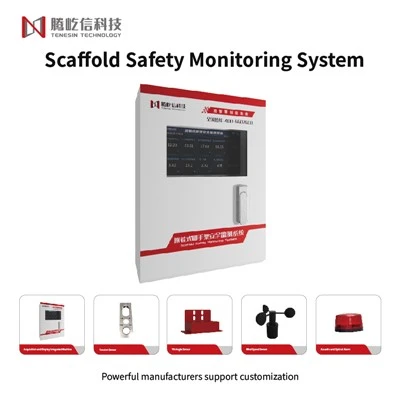
Flooring installation on a construction site is a crucial phase that demands meticulous attention to worker safety. As a leading provider of construction site safety monitoring solutions, we understand the unique challenges and potential hazards associated with this task. In this blog, we will explore comprehensive strategies to ensure the safety of workers during flooring installation, leveraging our state - of - the - art safety monitoring systems.
1. Pre - installation Safety Planning
Before the actual flooring installation begins, a detailed safety plan must be in place. This plan should identify all potential hazards in the work area, such as uneven surfaces, exposed electrical wires, or protruding nails. Site managers should conduct a thorough walk - through of the construction site to assess these risks.
The Construction Area Hazard Monitoring System can be an invaluable tool during this phase. It uses advanced sensors to detect and map out areas with potential hazards, allowing safety managers to mark these zones clearly. Workers can then be trained to avoid these areas or take appropriate precautions when working near them.
2. Personal Protective Equipment (PPE)
Proper PPE is non - negotiable for workers involved in flooring installation. Workers should wear safety glasses to protect their eyes from flying debris, such as small pieces of tile or wood shavings. Steel - toed boots are essential to prevent foot injuries from heavy objects that might be dropped.
Respiratory protection is also crucial, especially when working with materials that produce dust, like concrete or sand. Masks or respirators should be provided based on the type and level of dust exposure. Gloves are necessary to protect hands from cuts, abrasions, and chemical exposure if adhesives or solvents are used.
As a safety monitoring provider, we can offer real - time monitoring of PPE usage. Our systems can detect if a worker is not wearing the required PPE and send immediate alerts to supervisors, ensuring that safety protocols are strictly followed.
3. Equipment Safety
The tools and equipment used in flooring installation can pose significant risks if not properly maintained and used. Power tools, such as nail guns and saws, should be inspected regularly for any signs of damage or malfunction. Workers must be trained on the correct operation of these tools, including how to load and unload them safely.
Lifting equipment, like forklifts or hoists used to transport heavy flooring materials, should be operated by trained personnel only. Our Construction Edge Protection Monitoring System can be integrated with lifting equipment to monitor their position and ensure that they do not get too close to the edges of the construction site, reducing the risk of falls.
4. Workspace Organization
A well - organized workspace is essential for worker safety. Flooring materials should be stored in a stable and orderly manner to prevent them from toppling over. Aisles and walkways should be kept clear of clutter to allow for easy movement of workers and equipment.
Markings on the floor can help define work areas, storage areas, and emergency exits. Our safety monitoring systems can track the movement of workers and equipment within these marked areas. If a worker or equipment enters a restricted zone, an alert can be triggered, preventing potential accidents.
5. Hazardous Material Handling
Many flooring installation projects involve the use of hazardous materials, such as adhesives, solvents, and sealants. These materials should be stored in a well - ventilated area away from sources of heat and ignition. Workers should be trained on the proper handling, storage, and disposal of these substances.
Our safety monitoring solutions can detect the presence of hazardous vapors in the air. If the concentration of these vapors exceeds the safe limit, an alarm will sound, and workers can be evacuated immediately. This real - time monitoring helps prevent long - term health issues associated with exposure to hazardous chemicals.
6. Training and Education
Regular training and education are key to ensuring worker safety. Workers should receive comprehensive training on flooring installation techniques, safety procedures, and the proper use of PPE and equipment. New workers should be given on - the - job training and closely supervised until they are fully competent.
Refresher courses should be provided periodically to keep workers updated on the latest safety regulations and best practices. Our safety monitoring systems can also be used to track the training progress of workers. Supervisors can see which workers have completed their training and which ones need additional support.


7. Emergency Preparedness
Despite all precautions, emergencies can still occur. Construction sites should have a well - defined emergency response plan in place. This plan should include procedures for dealing with fires, medical emergencies, and accidents.
Emergency exits should be clearly marked and kept unobstructed at all times. First - aid kits should be readily available, and workers should be trained in basic first - aid procedures. Our safety monitoring systems can assist in emergency situations by providing real - time information on the location of workers, allowing for a more efficient rescue operation.
8. Continuous Monitoring and Improvement
Safety is an ongoing process, and continuous monitoring is essential. Our safety monitoring systems collect data on various safety parameters, such as worker movement, equipment usage, and environmental conditions. This data can be analyzed to identify trends and areas for improvement.
For example, if the data shows that a particular area of the construction site has a higher incidence of near - misses, additional safety measures can be implemented in that area. Regular safety audits should also be conducted to ensure that all safety protocols are being followed.
In conclusion, ensuring the safety of workers during flooring installation on a construction site requires a multi - faceted approach. By implementing pre - installation safety planning, providing proper PPE, maintaining equipment safety, organizing the workspace, handling hazardous materials correctly, offering training and education, preparing for emergencies, and continuously monitoring and improving safety measures, we can significantly reduce the risk of accidents.
As a construction site safety monitoring provider, we are committed to helping construction companies create a safer work environment. Our advanced monitoring systems, such as the Construction Area Hazard Monitoring System and Construction Edge Protection Monitoring System, are designed to meet the specific needs of flooring installation projects.
If you are interested in enhancing the safety of your construction site during flooring installation or any other construction activities, we invite you to contact us for a detailed consultation. Our team of experts will work with you to develop a customized safety monitoring solution that fits your project requirements.
References
- Occupational Safety and Health Administration (OSHA). Construction Safety Standards.
- National Institute for Occupational Safety and Health (NIOSH). Guidelines for Construction Site Safety.
- International Labour Organization (ILO). Safety in the Construction Industry.