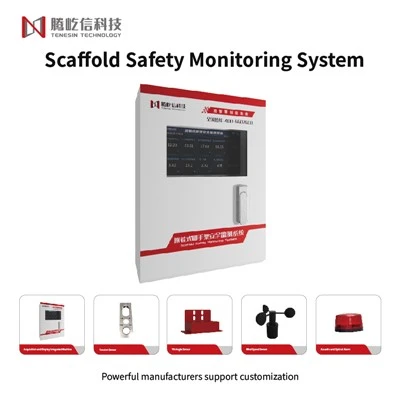
Conducting safety audits on a construction site is a critical process that ensures the well - being of workers, the protection of the environment, and the compliance with relevant regulations. As a construction site safety monitoring supplier, I have witnessed firsthand the importance of thorough and effective safety audits. In this blog, I will share some key steps and strategies on how to conduct safety audits on a construction site.
Pre - audit Preparation
Before starting the safety audit, it is essential to gather all the necessary information. First, review the construction plans and blueprints. These documents will give you an overview of the site layout, including the location of buildings, excavation areas, and temporary structures. Understanding the construction plans helps you identify potential hazards in advance.
Next, collect the site's safety policies and procedures. This includes the company's safety manual, emergency response plans, and any specific safety requirements for the project. Familiarize yourself with these documents to ensure that the site is operating in accordance with its own safety standards.
It is also important to assemble a qualified audit team. The team should consist of individuals with diverse expertise, such as safety engineers, construction supervisors, and environmental specialists. Each team member can contribute unique insights based on their area of knowledge. Additionally, ensure that the audit team is trained in the latest safety audit techniques and regulations.
On - site Inspection
Once the pre - audit preparation is complete, it's time to conduct the on - site inspection. The inspection should cover all aspects of the construction site, from the entrance to the most remote work areas.
General Site Conditions
Start by assessing the general site conditions. Check the cleanliness and organization of the site. A cluttered site can increase the risk of trips, falls, and other accidents. Look for proper signage indicating safety rules, emergency exits, and hazardous areas. The signage should be clear, visible, and in compliance with local regulations.


Inspect the access roads and walkways. They should be in good condition, free of debris, and have proper drainage. Inadequate access roads can lead to vehicle accidents, while slippery or uneven walkways can cause falls.
Equipment and Machinery
Evaluate the condition of all equipment and machinery on the site. This includes cranes, forklifts, excavators, and power tools. Check for proper maintenance records and ensure that all equipment is in good working order. Look for signs of wear and tear, such as loose parts, frayed cables, or leaking fluids.
Verify that operators are properly trained and certified to use the equipment. The equipment should also be equipped with appropriate safety features, such as guards, emergency stop buttons, and warning lights. For example, a crane should have a functioning load limit indicator to prevent overloading.
Hazardous Areas
Identify and assess all hazardous areas on the site. This may include excavation sites, confined spaces, electrical areas, and areas with exposure to chemicals. For excavation sites, check the stability of the slopes and the presence of proper shoring. Confined spaces should be properly ventilated, and workers entering them should follow strict safety procedures.
In electrical areas, look for proper grounding, insulation, and protection against electrical shocks. When it comes to chemical storage and use, ensure that chemicals are stored in appropriate containers, labeled correctly, and that workers are provided with the necessary personal protective equipment (PPE).
To enhance the monitoring of hazardous areas, our Construction Area Hazard Monitoring System can be a valuable addition. This system uses advanced sensors to detect potential hazards in real - time, allowing for immediate response and prevention of accidents.
Edge Protection
Edges of buildings, platforms, and excavation sites are high - risk areas. Inspect the edge protection systems in place. This may include guardrails, safety nets, or barriers. The edge protection should be installed correctly, be of the appropriate height and strength, and be able to withstand the expected loads.
Our Construction Edge Protection Monitoring System can help ensure the effectiveness of edge protection. It continuously monitors the integrity of the edge protection systems and alerts the site management in case of any issues.
Worker Safety
Observe the workers' behavior and compliance with safety rules. Check if they are wearing the appropriate PPE, such as hard hats, safety glasses, gloves, and safety shoes. Look for signs of fatigue or distraction among the workers, as these can increase the risk of accidents.
Talk to the workers to understand their safety concerns and experiences. They may have valuable insights into potential hazards that are not immediately obvious during the inspection. Encourage them to report any safety issues they encounter.
Documentation and Reporting
During the on - site inspection, it is crucial to document all findings. Take detailed notes, including the location of the issue, a description of the problem, and any relevant photos or videos. This documentation will serve as evidence for the audit report and can be used for follow - up actions.
After the inspection, prepare a comprehensive audit report. The report should include an executive summary, a detailed description of the audit scope and methodology, the findings, and recommendations for improvement. The recommendations should be specific, actionable, and prioritized based on the severity of the issues.
Share the audit report with the site management and relevant stakeholders. Provide them with an opportunity to review and discuss the findings. Establish a timeline for implementing the recommendations and set up a system for monitoring the progress of the corrective actions.
Follow - up and Continuous Improvement
Conducting a safety audit is not a one - time event. It is part of a continuous improvement process. After the corrective actions have been implemented, conduct follow - up inspections to ensure that the issues have been resolved.
Regularly review and update the safety audit procedures based on the lessons learned from previous audits. Stay informed about the latest safety regulations and industry best practices. Incorporate new technologies and methods into the safety monitoring and auditing processes.
As a construction site safety monitoring supplier, we are committed to helping construction companies improve their safety performance. Our advanced monitoring systems and experienced team can provide you with the tools and support you need to conduct effective safety audits.
If you are interested in learning more about our products and services or would like to discuss how we can assist you in conducting safety audits on your construction site, please feel free to reach out. We are ready to have a detailed discussion with you and provide customized solutions to meet your specific needs.
References
- Occupational Safety and Health Administration (OSHA). Construction safety standards.
- International Labour Organization (ILO). Safety and health in construction.
- Construction Industry Institute (CII). Best practices for construction site safety.