In the realm of bridge construction, the quality and durability of concrete are of paramount importance. Mass concrete, due to its large volume, often encounters issues related to temperature changes during the curing process. These temperature variations can lead to cracks and other structural problems, potentially compromising the safety and longevity of the bridge. As a supplier of the Mass Concrete Temp Alert System, I am frequently asked whether this system can be effectively used for bridge concrete projects. In this blog, I will delve into the details and explain why our Mass Concrete Temp Alert System is a valuable asset for bridge construction.
Understanding the Challenges of Mass Concrete in Bridge Construction
Bridge concrete projects typically involve the use of mass concrete, which is defined as any volume of concrete with dimensions large enough to require that measures be taken to cope with the generation of heat from hydration and attendant volume change to minimize cracking [1]. When concrete hardens, a chemical reaction called hydration occurs, which generates heat. In large volumes of concrete, this heat can build up and cause the temperature inside the concrete to rise significantly. As the concrete cools down, it contracts, and if the temperature gradient between the interior and the exterior of the concrete is too large, it can lead to thermal stresses and cracking.
These cracks can not only affect the aesthetic appearance of the bridge but also reduce its structural integrity and durability. Water and other corrosive substances can penetrate through the cracks, causing reinforcement corrosion and further deterioration of the concrete. Therefore, it is crucial to monitor and control the temperature of mass concrete during the curing process to prevent these issues.
How the Mass Concrete Temp Alert System Works
Our Mass Concrete Temp Alert System is designed to continuously monitor the temperature of mass concrete in real-time. The system consists of temperature sensors that are embedded in the concrete at various depths and locations. These sensors are connected to a data logger, which collects and transmits the temperature data to a central monitoring station.
The monitoring station is equipped with software that analyzes the temperature data and provides real-time alerts if the temperature exceeds pre-set thresholds. The system can also generate temperature profiles and reports, which can be used by engineers and contractors to make informed decisions about the curing process.
For example, if the temperature inside the concrete is rising too quickly, the system can alert the construction team, who can then take measures such as adjusting the cooling rate or adding insulation to the concrete to prevent thermal cracking. Similarly, if the temperature gradient between the interior and the exterior of the concrete is too large, the system can provide early warnings, allowing the team to take corrective actions before any damage occurs.
Benefits of Using the Mass Concrete Temp Alert System in Bridge Projects
1. Improved Quality Control
By continuously monitoring the temperature of mass concrete, the Mass Concrete Temp Alert System helps ensure that the concrete cures under optimal conditions. This reduces the risk of thermal cracking and other temperature-related issues, resulting in higher-quality concrete and a more durable bridge structure.
2. Cost Savings
Preventing thermal cracking and other temperature-related problems can save significant costs in the long run. Repairs and maintenance of cracked concrete can be expensive, and in some cases, it may even require the replacement of the entire bridge section. By using our system to prevent these issues, contractors can avoid these costly repairs and ensure the long-term performance of the bridge.
3. Enhanced Safety
Cracks in the concrete can compromise the safety of the bridge, especially if they occur in critical load-bearing areas. The Mass Concrete Temp Alert System helps identify potential problems early on, allowing the construction team to take corrective actions and ensure the safety of the bridge during and after construction.
4. Real-Time Monitoring and Decision-Making
The real-time monitoring capabilities of the system allow engineers and contractors to make informed decisions about the curing process. They can adjust the curing parameters based on the actual temperature conditions, ensuring that the concrete cures at the optimal rate and temperature. This helps improve the efficiency of the construction process and reduces the risk of delays.
Case Studies: Successful Implementation of the Mass Concrete Temp Alert System in Bridge Projects
There have been several successful implementations of our Mass Concrete Temp Alert System in bridge projects around the world. For example, in a large-scale bridge construction project in [Location], the system was used to monitor the temperature of the mass concrete used in the bridge piers.
The system provided real-time temperature data, which allowed the construction team to adjust the cooling rate and insulation of the concrete based on the actual temperature conditions. As a result, the concrete cured without any significant thermal cracking, and the bridge was completed on time and within budget.
In another project, a [Bridge Name] in [Country], the Mass Concrete Temp Alert System was used to monitor the temperature of the concrete deck. The system detected a potential temperature issue early on, and the construction team was able to take corrective actions to prevent cracking. The project was a success, and the bridge has been performing well since its completion.
Comparison with Other Monitoring Systems
In addition to the Mass Concrete Temp Alert System, there are other monitoring systems available in the market, such as the Climbing Formwork Safety Monitoring System and the Scaffold Safety Monitoring System. While these systems are designed to monitor different aspects of the construction process, they all share the common goal of improving safety and quality.
The Climbing Formwork Safety Monitoring System is used to monitor the safety of climbing formwork during the construction of high-rise buildings and bridges. It can detect issues such as overloading, tilting, and displacement of the formwork, providing real-time alerts to the construction team.
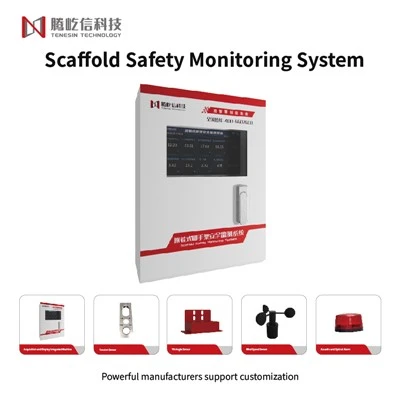
The Scaffold Safety Monitoring System, on the other hand, is used to monitor the safety of scaffolds. It can detect changes in the scaffold's load, inclination, and vibration, helping to prevent scaffold collapses and other accidents.
While these systems are important for ensuring the safety of the construction process, the Mass Concrete Temp Alert System is specifically designed to address the unique challenges of mass concrete temperature monitoring. It provides real-time temperature data and alerts, which are essential for preventing thermal cracking and ensuring the quality of the concrete.
Conclusion
In conclusion, the Mass Concrete Temp Alert System is a valuable tool for bridge concrete projects. It can help monitor and control the temperature of mass concrete during the curing process, preventing thermal cracking and other temperature-related issues. By using our system, engineers and contractors can improve the quality, safety, and durability of bridge structures, while also saving costs and reducing the risk of delays.


If you are involved in a bridge construction project and are interested in learning more about our Mass Concrete Temp Alert System, please visit our website at Mass Concrete Temp Alert System or contact us for a consultation. We would be happy to discuss how our system can meet your specific needs and help you achieve a successful bridge construction project.
References
[1] ACI 207.1R-05, “Guide to Mass Concrete,” American Concrete Institute, Farmington Hills, MI, 2005.