Are there any regulations regarding the use of a Crawler Crane Safety Monitoring System?
As a supplier of Crawler Crane Safety Monitoring Systems, I often encounter questions from clients regarding the regulations surrounding the use of these crucial safety devices. In this blog post, I'll delve into the regulatory landscape, explain why these regulations matter, and touch on how our systems align with them.
The Importance of Regulations in Crane Safety
Crawler cranes are powerful and complex pieces of equipment used in various industries, such as construction, infrastructure development, and heavy manufacturing. Due to their size, weight, and the nature of the tasks they perform, any malfunction or improper operation can lead to serious accidents, including collapses, falls, and collisions. These incidents not only pose a significant risk to the operators and workers on-site but also have the potential to cause extensive property damage and disrupt project timelines.
Safety monitoring systems play a vital role in preventing such accidents by continuously monitoring various parameters of the crane's operation, such as load capacity, boom angle, wind speed, and stability. However, without proper regulations, there would be no standardized requirements for the design, installation, and use of these systems, which could lead to inconsistent safety levels across different cranes and projects.
Global and Regional Regulations
On a global scale, several international standards and guidelines have been established to ensure the safety of crane operations. The International Organization for Standardization (ISO) has developed a series of standards related to cranes, including ISO 4301-1:2016, which provides general design principles for cranes, and ISO 13849-1:2015, which focuses on the safety-related parts of control systems. These standards serve as a foundation for many national and regional regulations.
In the United States, the Occupational Safety and Health Administration (OSHA) is responsible for setting and enforcing safety regulations in the workplace. OSHA's regulations for cranes, found in 29 CFR Part 1926 Subpart CC, cover a wide range of topics, including crane inspection, maintenance, operator training, and the use of safety devices. While OSHA does not specifically mention crawler crane safety monitoring systems, it does require that cranes be equipped with devices to prevent overloading and other hazardous conditions.
In Europe, the Machinery Directive 2006/42/EC sets out the essential health and safety requirements for machinery, including cranes. The directive requires that cranes be designed and constructed in such a way as to ensure their safe operation and that they are equipped with appropriate safety devices. The European Committee for Standardization (CEN) has also developed a series of standards for cranes, such as EN 13001-1:2010, which provides general design rules for cranes.
In Asia, different countries have their own regulatory frameworks for crane safety. For example, in China, the General Administration of Quality Supervision, Inspection and Quarantine (AQSIQ) and the Standardization Administration of China (SAC) have issued a series of standards and regulations for cranes, including GB/T 3811-2008, which provides general design rules for cranes.
Specific Requirements for Crawler Crane Safety Monitoring Systems
While the regulations may vary from country to country, there are some common requirements for crawler crane safety monitoring systems. These typically include:
- Accuracy and Reliability: The system must be able to accurately measure and monitor the relevant parameters of the crane's operation, and it must be reliable enough to function properly under various environmental conditions.
- Alarm and Warning Functions: The system should be equipped with alarms and warning devices to alert the operator when a hazardous condition is detected, such as overloading or an abnormal boom angle.
- Data Recording and Storage: The system should be able to record and store the data collected during the crane's operation, which can be used for analysis and troubleshooting in case of an accident.
- Compatibility and Integration: The system should be compatible with the crane's existing control systems and other safety devices, and it should be able to integrate seamlessly with them.
Our Crawler Crane Safety Monitoring System
At our company, we understand the importance of complying with the relevant regulations and standards. Our Crawler Crane Safety Monitoring System is designed and manufactured in accordance with the latest international standards and guidelines, ensuring its accuracy, reliability, and safety.
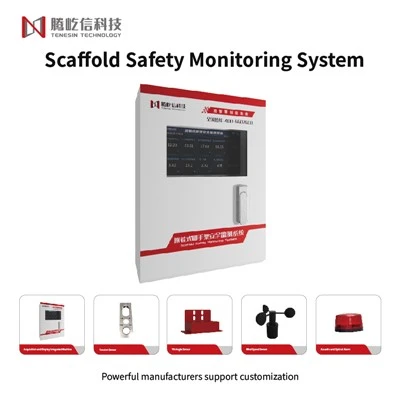
Our system is equipped with advanced sensors and algorithms that can accurately measure and monitor a wide range of parameters, including load capacity, boom angle, wind speed, and stability. It also features real-time alarm and warning functions, which can alert the operator immediately when a hazardous condition is detected.
In addition, our system is capable of recording and storing all the data collected during the crane's operation, which can be accessed and analyzed through a user-friendly interface. This data can be used for preventive maintenance, performance evaluation, and compliance reporting.


We also offer a range of optional features and accessories for our system, such as Tower Crane Operating Assistance Safety System, Luffing Jib Crane Safety Monitoring Hook Visualization System, and Girder Launcher Safety Monitoring System, which can further enhance the safety and efficiency of the crane's operation.
Contact Us for More Information
If you're interested in learning more about our Crawler Crane Safety Monitoring System or have any questions regarding the regulations surrounding its use, please don't hesitate to contact us. Our team of experts is always ready to provide you with the information and support you need.
Investing in a high-quality safety monitoring system is not only a legal requirement but also a smart business decision. By ensuring the safety of your crane operations, you can protect your workers, reduce the risk of accidents and downtime, and enhance your reputation in the industry.
Let's work together to make your crane operations safer and more efficient. Contact us today to start the conversation.
References
- International Organization for Standardization (ISO). (2016). ISO 4301-1:2016 Cranes - Classification - Part 1: General.
- International Organization for Standardization (ISO). (2015). ISO 13849-1:2015 Safety of machinery - Safety-related parts of control systems - Part 1: General principles for design.
- Occupational Safety and Health Administration (OSHA). (2018). 29 CFR Part 1926 Subpart CC - Cranes and Derricks in Construction.
- European Commission. (2006). Machinery Directive 2006/42/EC.
- European Committee for Standardization (CEN). (2010). EN 13001-1:2010 Cranes - General design - Part 1: General rules and requirements for cranes.
- General Administration of Quality Supervision, Inspection and Quarantine of the People's Republic of China (AQSIQ) and Standardization Administration of China (SAC). (2008). GB/T 3811-2008 Design rules for cranes.